Warehouse Automation can help solve Supply Chain Disruptions – Learn How!

warehouse automation
Facebook
Twitter
LinkedIn
Print
Email

We all know things were different before COVID-19. Our lives, our businesses, and even the economy were disrupted by the pandemic, and it made us adapt to what many call a “new reality”. This new reality means that globally, businesses need to navigate disruptions in the supply chain and labor shortages. The best way -and maybe the only way- to approach these issues is to start in-house, making sure our processes are as efficient as they can be. The supply of labor is at an all-time low and so it’s important now more than ever, for warehouses to automate their operations. But to understand how to do this, we first need to know what warehouse automation is and why it is important.

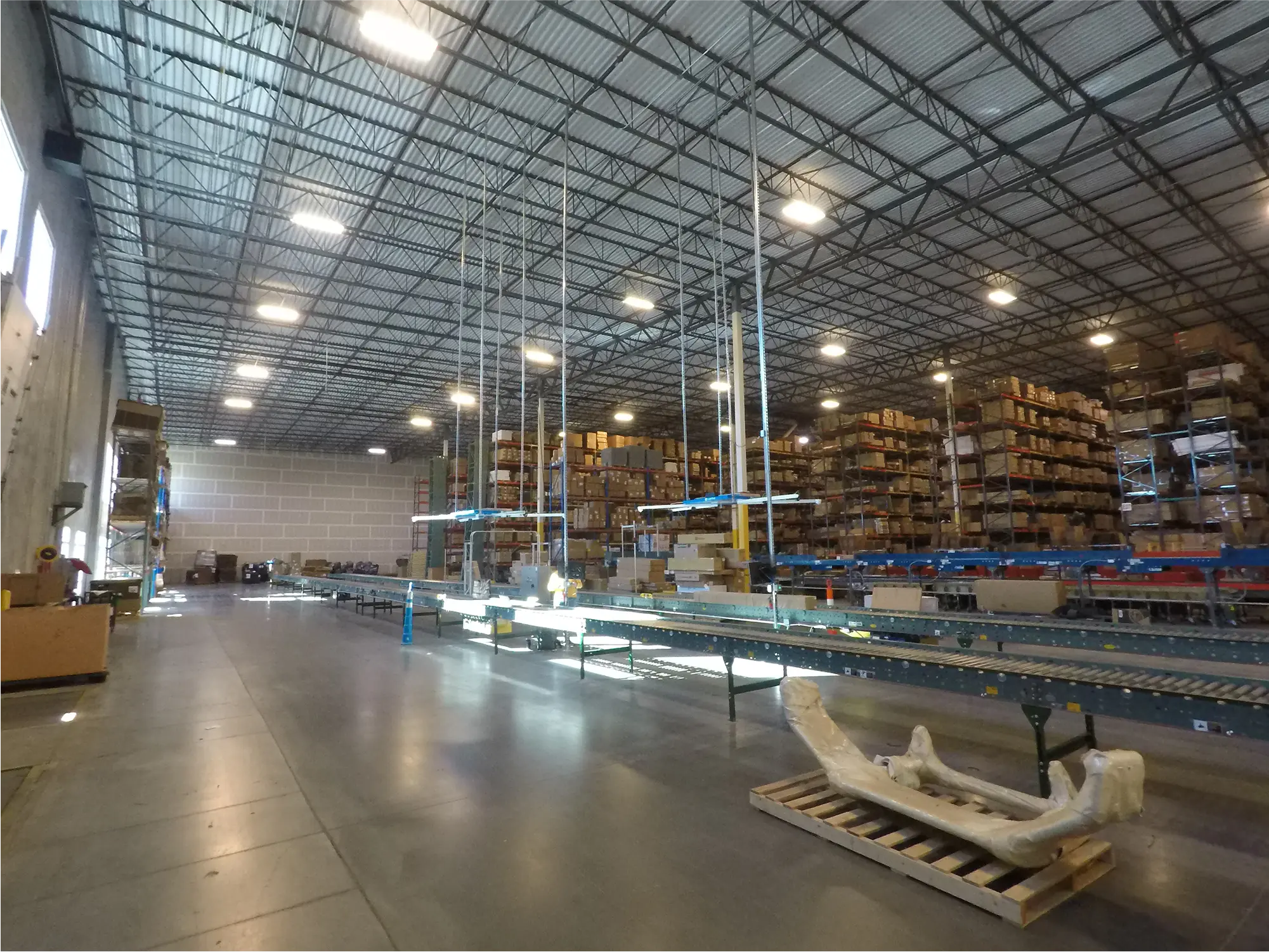
Put into simple words, warehouse automation means replacing repetitive human processes with mechanical or technology-driven applications. Automation generally translates to more efficiency, increased productivity, and lower operating costs. There are two main types of automation: digital and physical. Digital automation refers to the use of software and data to reduce manual workflows, and physical automation reduces human input. Nowadays almost every warehouse task can be automated, but we’re interested in tools that can help you automate storing, sorting, cataloging, and measurement of freight.

What is AS/RS

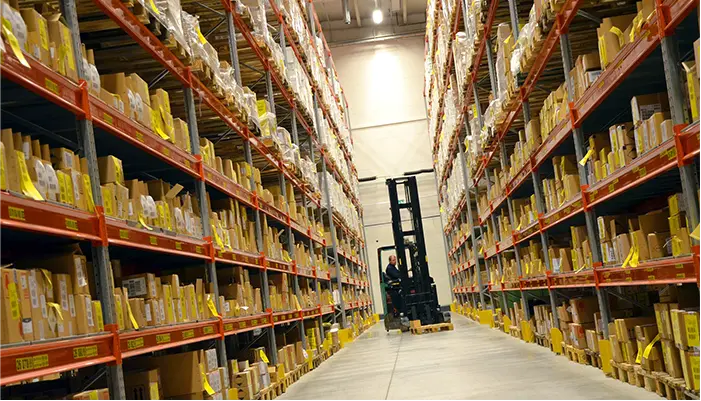
AS/RS stands for Automated storage and retrieval systems. This system is usually one of the first investments warehouses make when they are automating their processes. Using different components such as vehicles, cranes, vertical lift modules (VLMs), and carousels, this system can help move warehouse items until they reach their designated storage space. It essentially reduces manual work such as picking, sorting, and storing.

What is WMS

WMS stands for Warehouse Management System. WMS are software applications designed to manage day-to-day warehouse operations. With a WMS you can track, organize, monitor, and control your inventory. It can also optimize logistical processes, such as direct receiving, picking, packing, material handling equipment, shipping activities, and more.

What are DIMENSIONERS

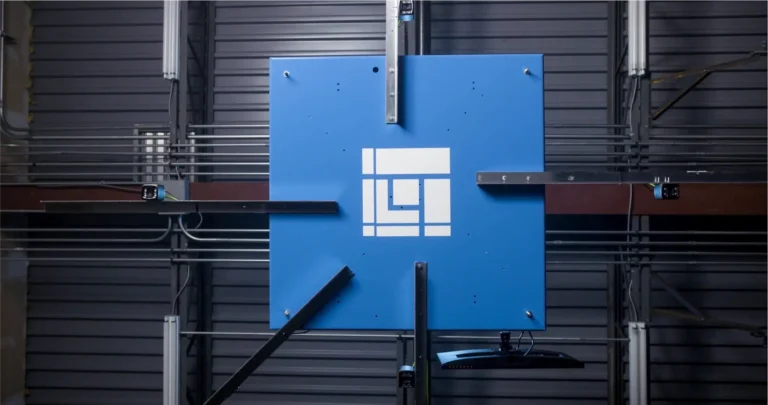
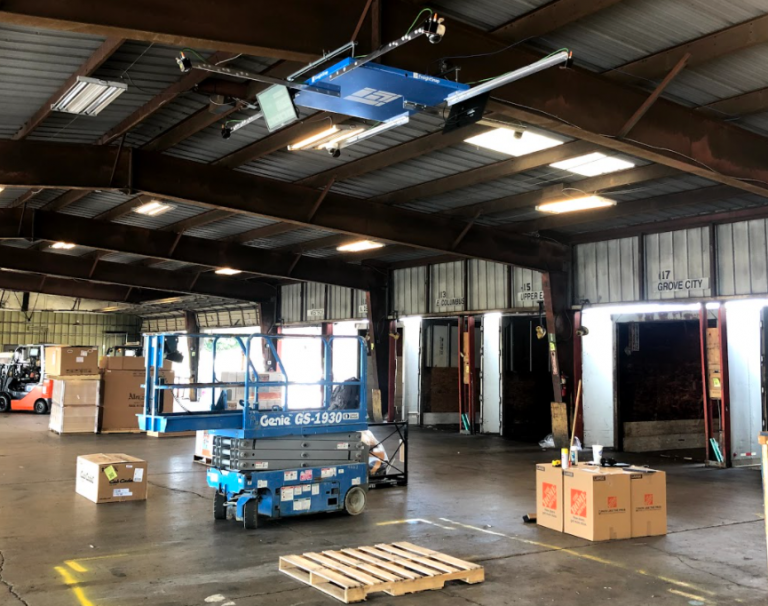
Finally, dimensioners are one of the least known and yet arguably the most useful warehouse automation tool. Dimensioners are designed to measure the volume and dimensions of parcels, loose freight, and pallets, regardless of their shape. They can be used for several purposes such as calculating shipping rates, optimizing storage, fighting freight audits, and collecting damage claims. No one person measures the same and so dimensioners have become a necessary asset for successful warehouse automation.

Automated warehousing can benefit companies in many ways like increasing productivity, having a more efficient material flow, lowering building costs, saving space, reducing labor needs, creating safer operations, lowering operational costs, and an overall better ROI. Automation is the future of warehousing, and implementing the tools mentioned above is the perfect way to make sure your company doesn’t get left behind.


Subscribe to our Blog

Stay up to date with our latest news, receive exclusive deals, and more.

2023 Newsletter Subscription Contact Form

Subscribe to Our Blog

Stay up to date with our latest news, receive exclusive deals, and more.

Reverse Logistics is a type of supply chain management that moves goods from customers back to the sellers or manufacturers. These companies are becoming more and more important every day to help other companies make the most out of their assets and turn them into profit. A reverse logistics company...

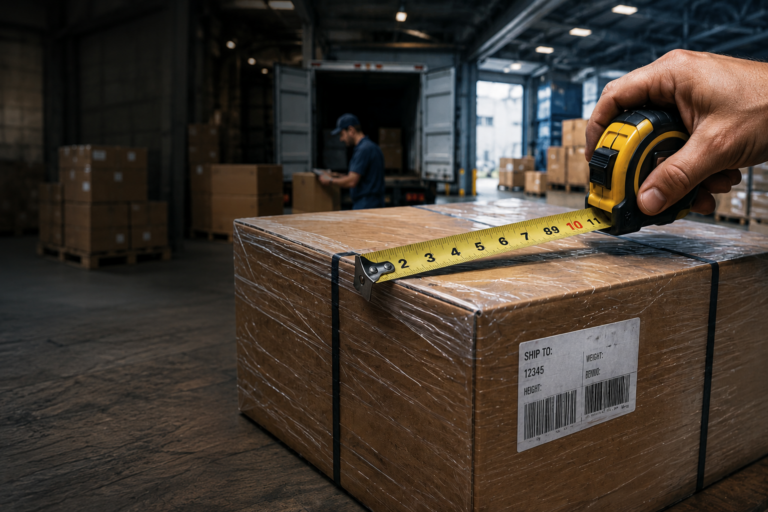
Measuring, weighing and photographing palletized freight by hand can be a time-consuming process that leaves room for measurement and transposition errors. The current generation of static pallet dimensioners have automated this process, allowing companies to capture this information and share it with their resource management systems in a fraction of...

What is a Dimensioner? If you’ve heard the term “dimensioner,” “dimensionalizer” or “pallet dimensioner” tossed around with increasing frequency in the last few years, you’re not alone. These terms and others have been used interchangeably to talk about the equipment that’s being used to reshape the LTL industry in the...

“But what happens when it breaks?” Fair question. It’s the one that keeps a lot of operations stuck with a tape measure. So here’s the honest answer. FreightSnap dimensioners are built solid-state – no external moving parts, plug-and-play components. That alone means far less that can go wrong. But when...

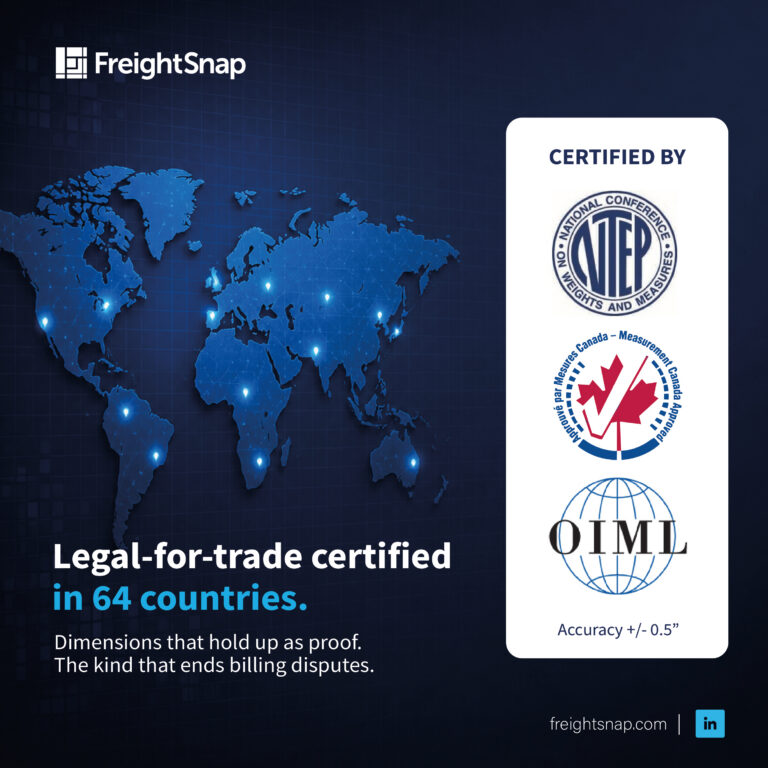
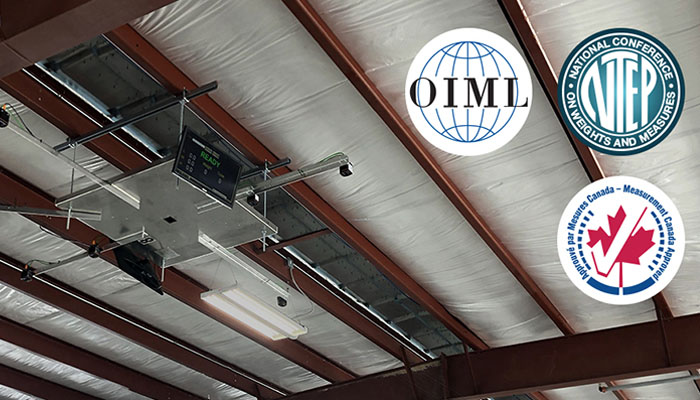
Did you know the FS 5000 is legal-for-trade certified in 64 countries? That’s not a vanity stat. NTEP, OIML, and Measurement Canada certification means your dimensions hold up as proof – the kind that ends billing disputes instead of starting them. Here’s what that certification buys you in the real...

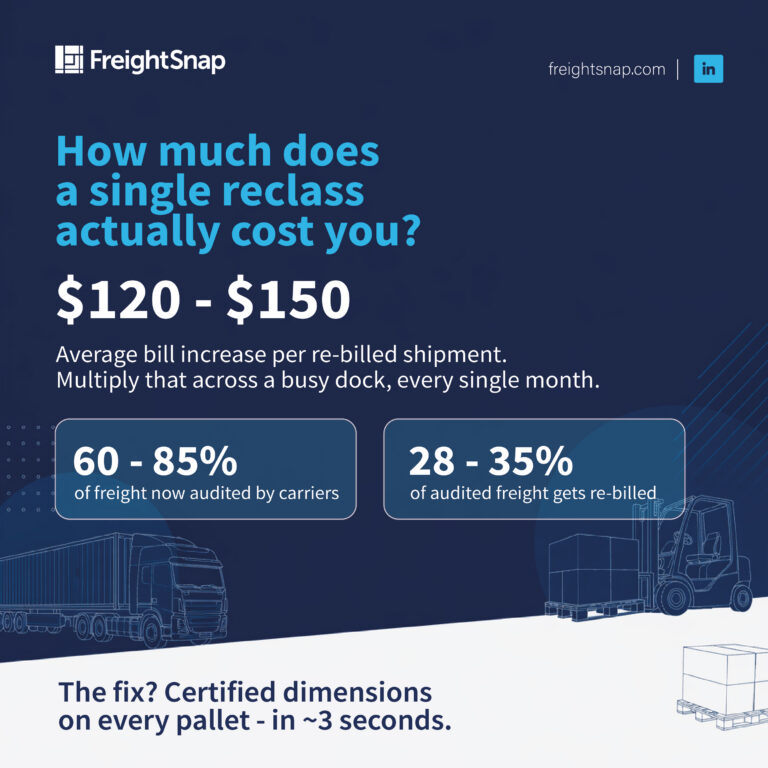
Quick question for the warehouse crowd: how much does a single reclass actually cost you? Because here’s what the numbers say. Carriers now audit 60-85% of freight. Roughly 28-35% of that gets re-billed. And the average increase lands between $120 and $150 per shipment. Multiply that across a busy dock...

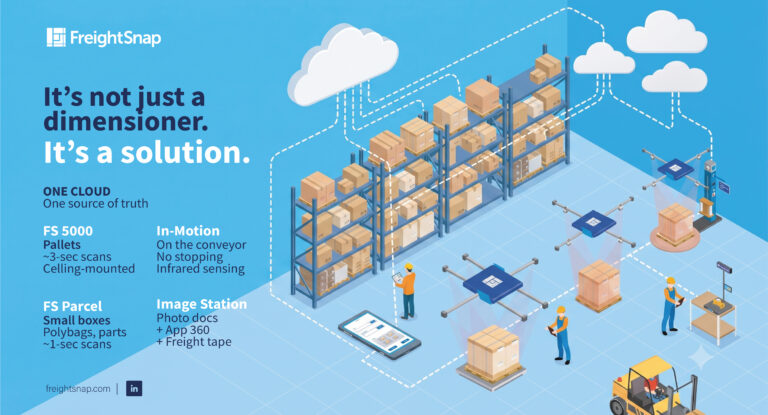
“It’s not just a dimensioner, it’s a solution.” That line does a lot of heavy lifting, so let me unpack it. When you bring in a FreightSnap dimensioner, you’re not just measuring boxes. You’re getting a system that: – Protects you from re-bills and quote adjustments with certified dimensions –...

Subscribe to our Blog

Stay up to date with our latest news, receive exclusive deals, and more.

Is there a truck driver shortage in the United States? According to Statista’s 2022 report, the answer is yes but this shortage is not new. In 2011, the industry was down 9,000 truck drivers. Today, that number has skyrocketed to 80,000, while experts predict it will double by 2030. So...

Explore how FreightSnap’s dimensioning systems can revolutionize your operations...

Lenexa, KS – FreightSnap’s FS 5000 pallet dimensioner has officially earned OIML certification after passing the established testing criteria for multi-dimensional measuring instruments. Having previously passed certification standards in the United States (NTEP) and Canada (Measurement Canada), the FS 5000’s recent OIML certification means that the dimensioner has now earned...

LTL, air, and parcel carriers are using automated package and pallet dimensioners to implement new dimensional weight pricing models by re-measuring and re-weighing more freight than ever before. And while the shift to DIM-weight pricing has been beneficial for carriers as it’s more reflective of their actual costs to carry...

Did you know the FS 5000 is legal-for-trade certified in 64 countries? That’s not a vanity stat. NTEP, OIML, and Measurement Canada certification means your dimensions hold up as proof – the kind that ends billing disputes instead of starting them. Here’s what that certification buys you in the real...

Quick question for the warehouse crowd: how much does a single reclass actually cost you? Because here’s what the numbers say. Carriers now audit 60-85% of freight. Roughly 28-35% of that gets re-billed. And the average increase lands between $120 and $150 per shipment. Multiply that across a busy dock...

“It’s not just a dimensioner, it’s a solution.” That line does a lot of heavy lifting, so let me unpack it. When you bring in a FreightSnap dimensioner, you’re not just measuring boxes. You’re getting a system that: – Protects you from re-bills and quote adjustments with certified dimensions –...

Product Sheet - FS Parcel Dimensioner

2023 DimReimag LP - FSParcel PS Dwnld

Product Sheet - FS 5000 Dimensioner

2023 DimReimag LP - FS500 PS Dwnld

Request a Quote!

2023 DimReimag LP Pricing Request Form