Warehouse Automation can help solve Supply Chain Disruptions – Learn How!

warehouse automation
Facebook
Twitter
LinkedIn
Print
Email

We all know things were different before COVID-19. Our lives, our businesses, and even the economy were disrupted by the pandemic, and it made us adapt to what many call a “new reality”. This new reality means that globally, businesses need to navigate disruptions in the supply chain and labor shortages. The best way -and maybe the only way- to approach these issues is to start in-house, making sure our processes are as efficient as they can be. The supply of labor is at an all-time low and so it’s important now more than ever, for warehouses to automate their operations. But to understand how to do this, we first need to know what warehouse automation is and why it is important.

Put into simple words, warehouse automation means replacing repetitive human processes with mechanical or technology-driven applications. Automation generally translates to more efficiency, increased productivity, and lower operating costs. There are two main types of automation: digital and physical. Digital automation refers to the use of software and data to reduce manual workflows, and physical automation reduces human input. Nowadays almost every warehouse task can be automated, but we’re interested in tools that can help you automate storing, sorting, cataloging, and measurement of freight.

What is AS/RS

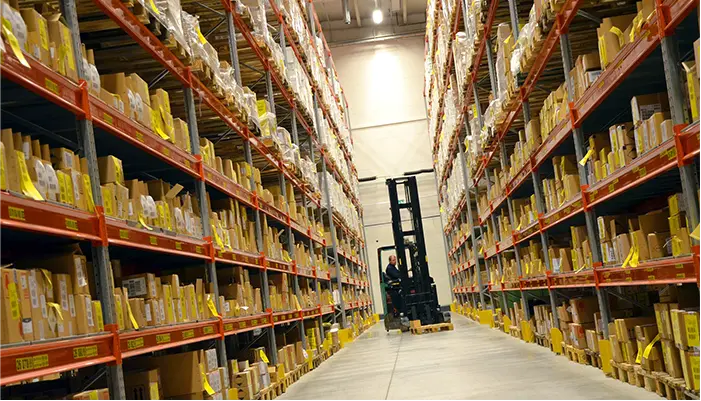
AS/RS stands for Automated storage and retrieval systems. This system is usually one of the first investments warehouses make when they are automating their processes. Using different components such as vehicles, cranes, vertical lift modules (VLMs), and carousels, this system can help move warehouse items until they reach their designated storage space. It essentially reduces manual work such as picking, sorting, and storing.

What is WMS

WMS stands for Warehouse Management System. WMS are software applications designed to manage day-to-day warehouse operations. With a WMS you can track, organize, monitor, and control your inventory. It can also optimize logistical processes, such as direct receiving, picking, packing, material handling equipment, shipping activities, and more.

What are DIMENSIONERS

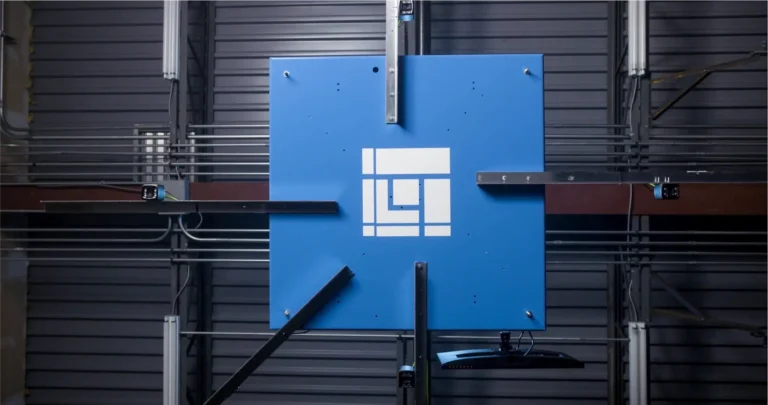
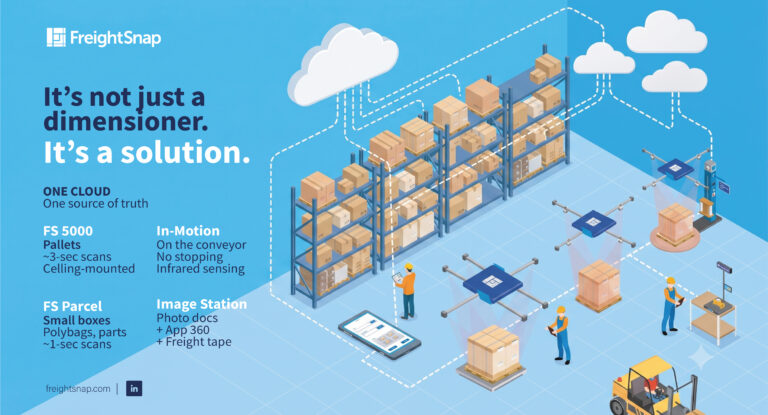
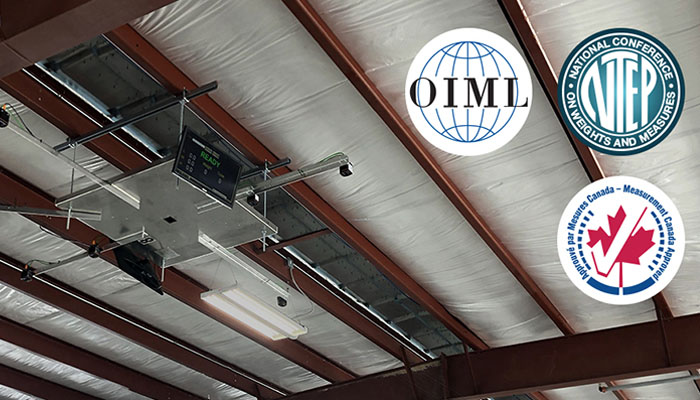
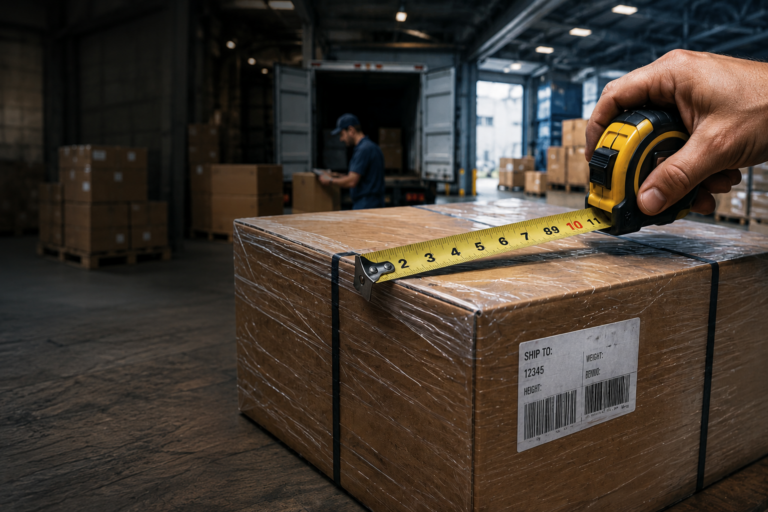
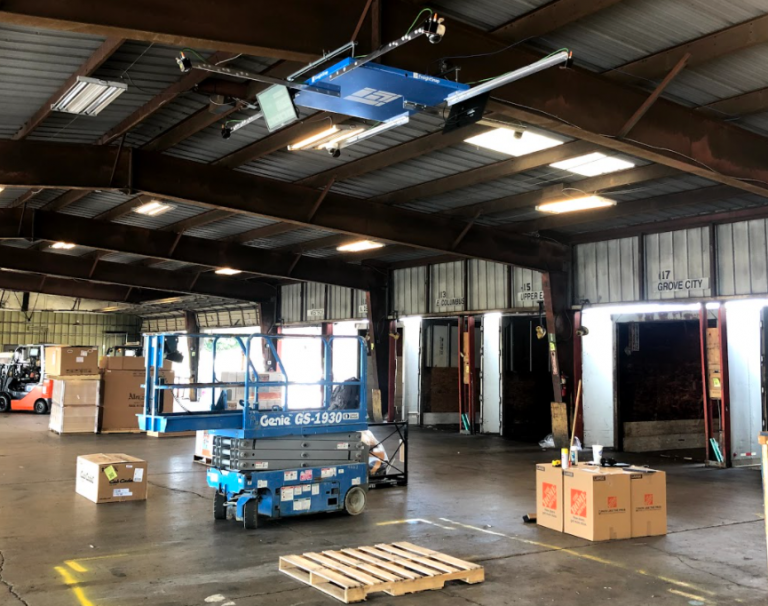
Finally, dimensioners are one of the least known and yet arguably the most useful warehouse automation tool. Dimensioners are designed to measure the volume and dimensions of parcels, loose freight, and pallets, regardless of their shape. They can be used for several purposes such as calculating shipping rates, optimizing storage, fighting freight audits, and collecting damage claims. No one person measures the same and so dimensioners have become a necessary asset for successful warehouse automation.

Automated warehousing can benefit companies in many ways like increasing productivity, having a more efficient material flow, lowering building costs, saving space, reducing labor needs, creating safer operations, lowering operational costs, and an overall better ROI. Automation is the future of warehousing, and implementing the tools mentioned above is the perfect way to make sure your company doesn’t get left behind.


Subscribe to our Blog

Stay up to date with our latest news, receive exclusive deals, and more.

2023 Newsletter Subscription Contact Form

Subscribe to Our Blog

Stay up to date with our latest news, receive exclusive deals, and more.

Pallet dimensioners represent a significant capital investment for less-than-truckload carriers looking to bring automated freight measuring into the fold. Even when you consider that dimensioners have come down in price across the board by as much as 60-70% in the last few years, according to a CarrierDirect whitepaper published in...

Shippers are always looking for new ways to save money and cut unnecessary expenditures. And one way to do so is by making the most cost effective and practical choice when it comes to shipping their goods. But, with the lines between parcel and traditional less-than-truckload carriers blurring, the decision...

With a new year comes a whole new list of trade shows and expos to get excited about – and FreightSnap will be at a few of the big ones in January and February. First Up – SMC3’s Annual Jump Start Conference (January 22-24, Atlanta, GA) Jump Start gives attendees...

If you’ve ever wanted to learn more about our automated dimensioning solutions, Promat 2019, held at Chicago’s McCormick Place convention center, is great place to start. We’ll have product experts on hand to answer your questions about our parcel and pallet dimensioning devices – everything from performance specifications and customization...

Real talk: FreightSnap started by measuring rooftops. Not freight. Rooftops. Back in 2012, we built software that used Google Earth to measure roofs, yards, and walls for the home improvement crowd. We even landed a U.S. patent on it. Then some logistics folks caught wind of the tech and asked...

Let’s talk numbers, because that’s where this gets real. Manual freight measuring doesn’t fail loudly. It bleeds you quietly: → Reclassification fees on a single shipment can run hundreds of dollars — and they pile up fast across a busy dock. → Reweigh and re-measure charges hit when your numbers...

Hot take: “Dimensioners are too expensive and too much of a hassle to install” is the most expensive myth in freight. Let’s bust it. MYTH: You need a six-figure laser rig with moving parts and a specialist on speed-dial. REALITY: We build on modern infrared sensors — the same tech...

Subscribe to our Blog

Stay up to date with our latest news, receive exclusive deals, and more.

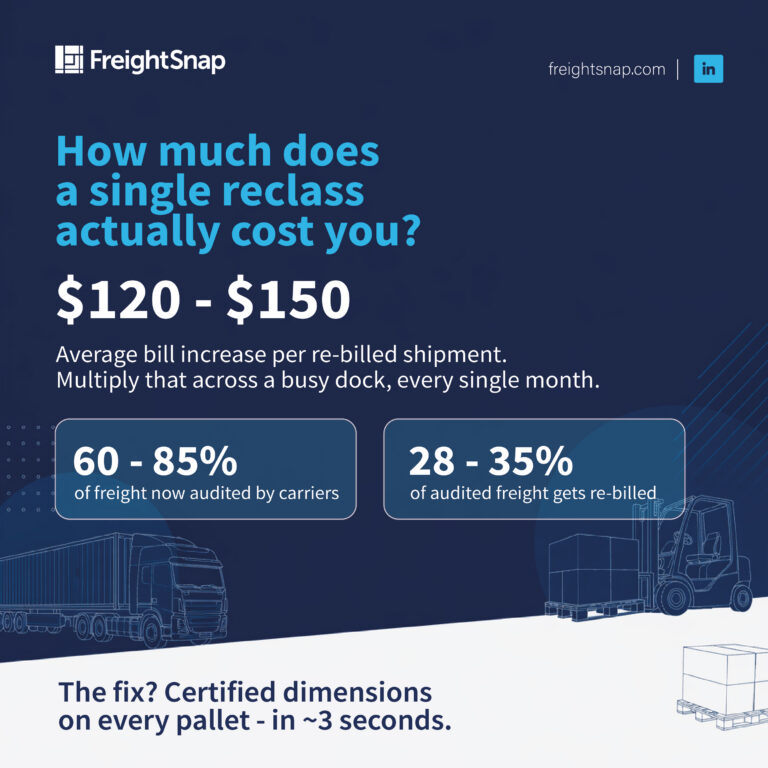
Let’s talk numbers, because that’s where this gets real. Here’s a real ROI scenario straight from our shippers’ playbook. A shipper moving 220 pallets a month: -> 60% get audited by carriers = 132 pallets -> 30% of those get reclassed = 40 pallets -> At a $130 reclass chargeback...

Wasted space means wasted money. As a warehouse manager, improper pallet sizes can rob you of valuable storage capacity, limiting inventory volumes and operational efficiency. But with some strategic planning, you can optimize your pallet dimensions to maximize usable cubic space. Here at FreightSnap, we help companies right-size their pallets...

How you implement a dimensioning program can determine the level of efficiency your program ultimately achieves. Over the years, we’ve seen dozens of companies invest in dimensioning technologies, and truth be told, some have been more successful than others. Why? Most of it can be boiled down to three simple,...

When someone goes to a supermarket or a store to buy a product, it is only the last step of an extended chain. Before this purchase happens, there is a long path involving suppliers, transportation, and several transformation processes in the production line. The travel routes and time involved in...

Real talk: FreightSnap started by measuring rooftops. Not freight. Rooftops. Back in 2012, we built software that used Google Earth to measure roofs, yards, and walls for the home improvement crowd. We even landed a U.S. patent on it. Then some logistics folks caught wind of the tech and asked...

Let’s talk numbers, because that’s where this gets real. Manual freight measuring doesn’t fail loudly. It bleeds you quietly: → Reclassification fees on a single shipment can run hundreds of dollars — and they pile up fast across a busy dock. → Reweigh and re-measure charges hit when your numbers...

Hot take: “Dimensioners are too expensive and too much of a hassle to install” is the most expensive myth in freight. Let’s bust it. MYTH: You need a six-figure laser rig with moving parts and a specialist on speed-dial. REALITY: We build on modern infrared sensors — the same tech...

Product Sheet - FS Parcel Dimensioner

2023 DimReimag LP - FSParcel PS Dwnld

Product Sheet - FS 5000 Dimensioner

2023 DimReimag LP - FS500 PS Dwnld

Request a Quote!

2023 DimReimag LP Pricing Request Form